
Therapy Approaches That Meet You Where You Are
Every individual is unique — and so is the path to healing. At Scottsdale Counseling and Wellness, our therapists draw from evidence-based models tailored to your specific needs, goals, and personality. Therapy is not one-size-fits-all, and we believe in using the right tools at the right time.
-
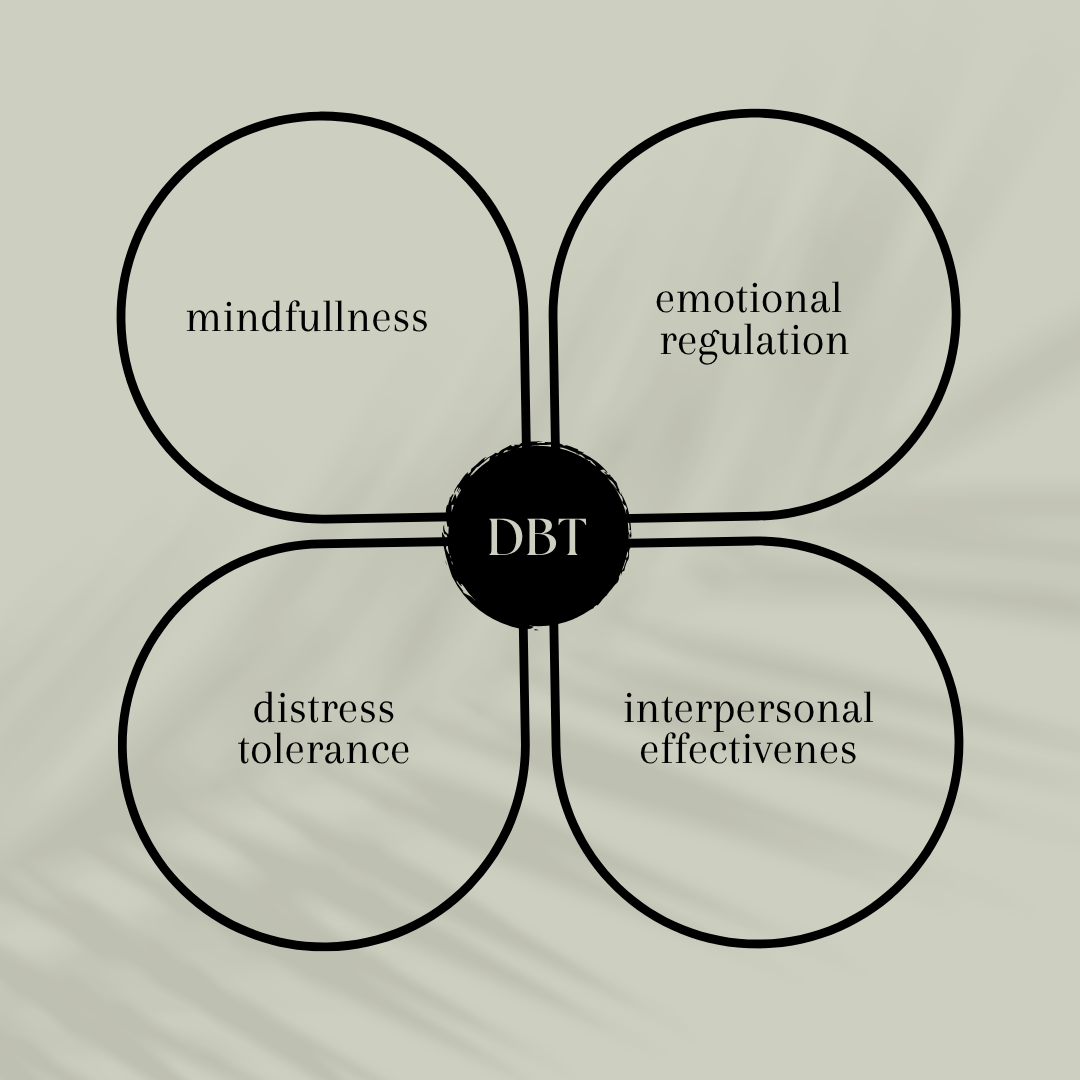
Dialectical Behavior Therapy (DBT)
Blends acceptance and change strategies to support emotional regulation.
→ Especially helpful for intense emotions, impulsivity, or relationship struggles.
Goal: Build mindfulness, distress tolerance, emotional regulation, and interpersonal effectiveness. -
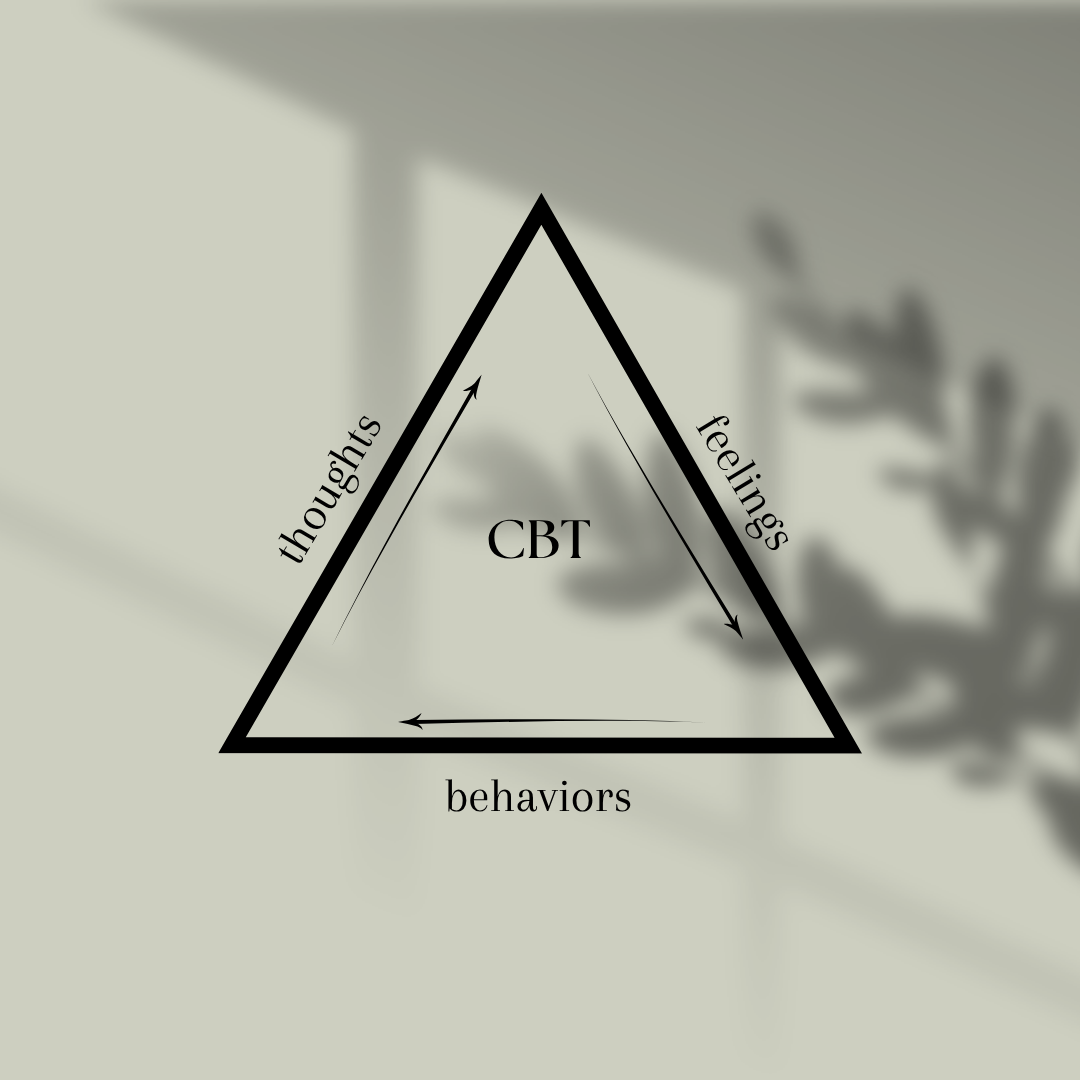
Cognitive Behavioral Therapy (CBT)
Focuses on the connection between your thoughts, emotions, and behaviors.
→ Great for managing anxiety, depression, and unhelpful thought patterns.
Goal: Help you challenge distorted thinking and develop healthier responses. -
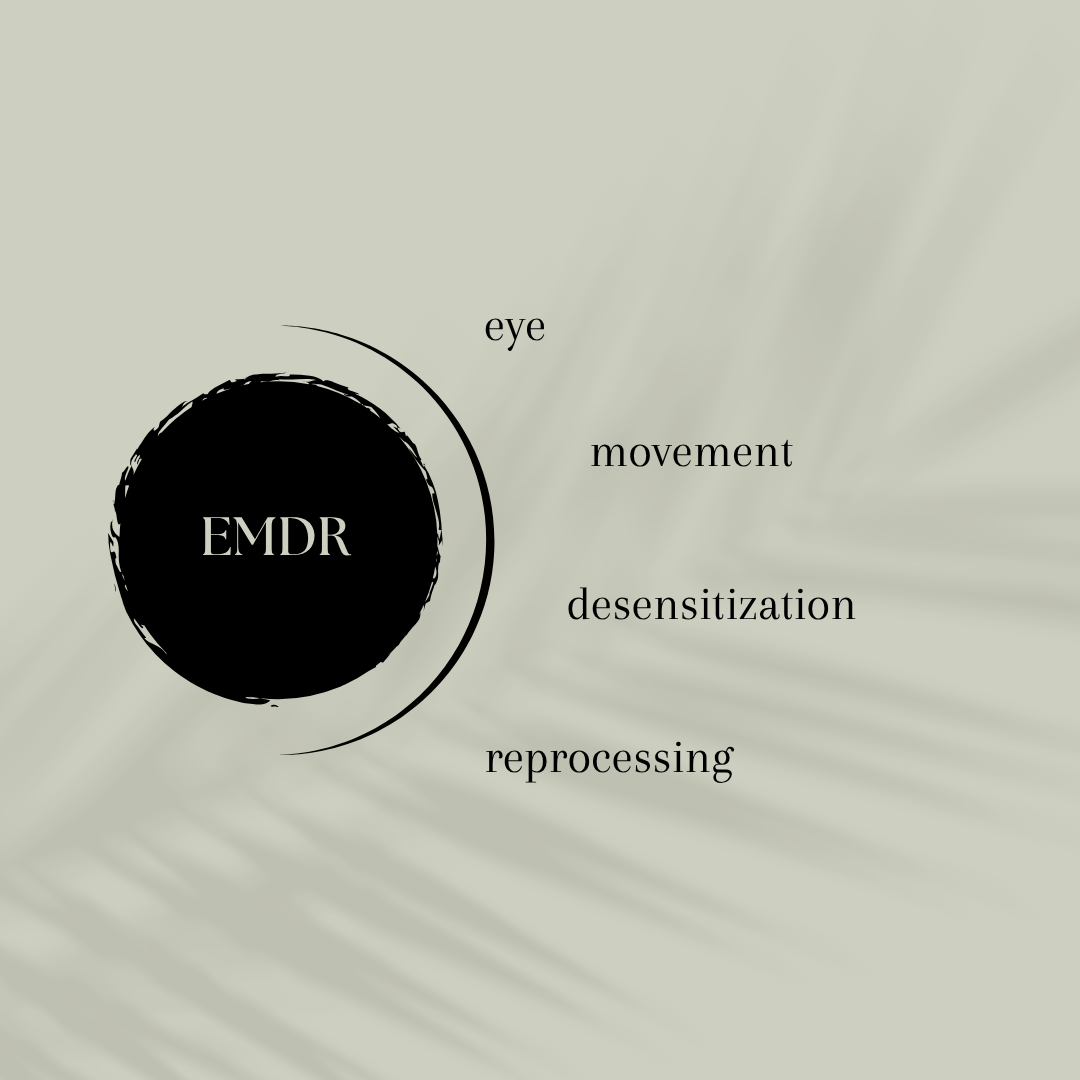
Eye Movement Desensitization and Reprocessing (EMDR)
A structured, trauma-focused therapy that helps the brain reprocess distressing experiences.
→ Best for PTSD, trauma, or overwhelming life events.
Goal: Reduce the emotional charge of past trauma and help you move forward with freedom and ease -
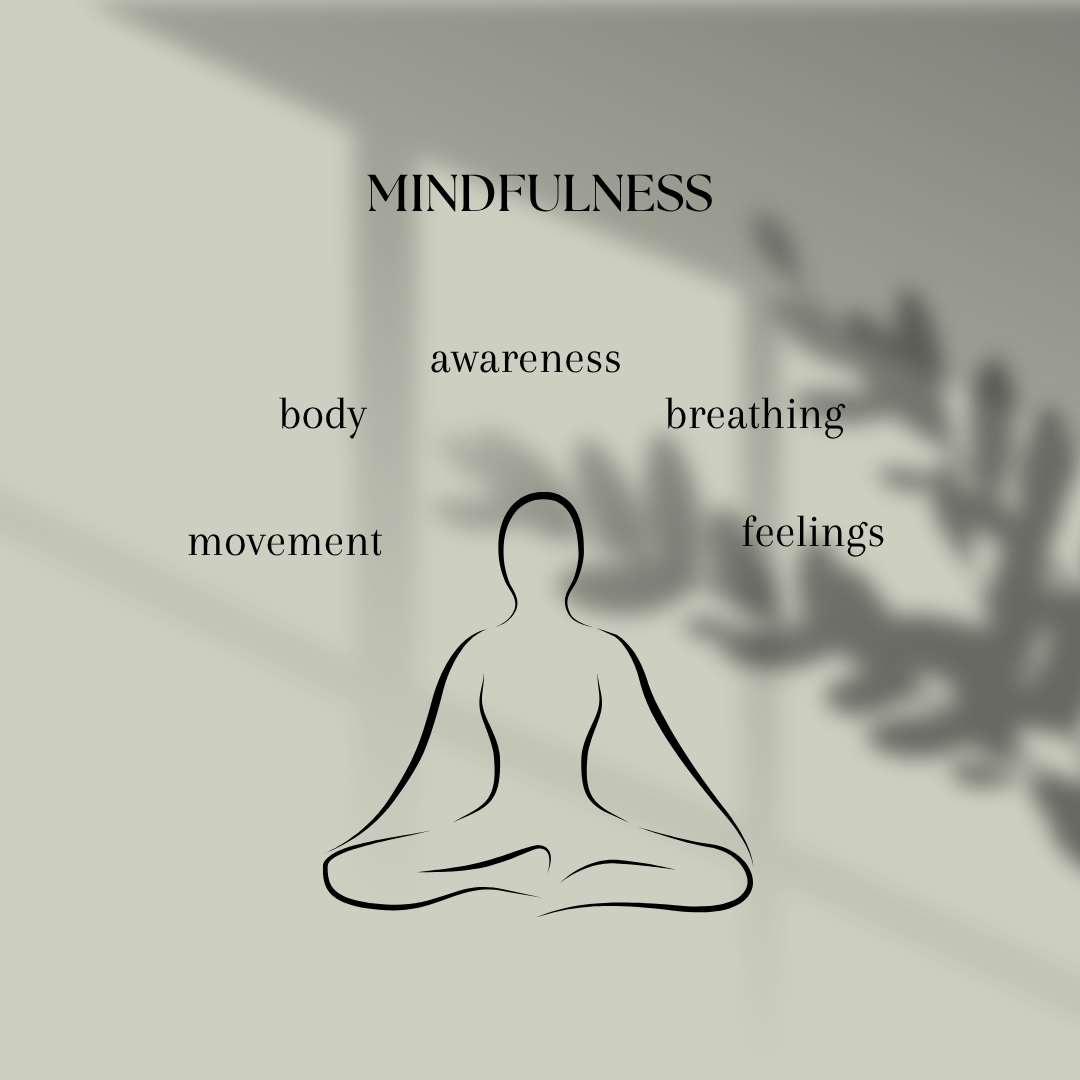
Mindfulness-Based Therapy
Uses present-moment awareness to reduce stress and increase clarity.
→ Ideal for anxiety, burnout, and chronic stress.
Goal: Help you slow down, increase self-awareness, and respond (not react) to life’s challenges -

Motivational Interviewing
Helps you work through ambivalence about change with curiosity and compassion.
→ Effective for stuck patterns and behavioral changes.
Goal: Tap into your own motivation and clarify your values and goals. -
Person-Centered Therapy
Built on trust, empathy, and unconditional positive regard.
→ Great for building self-confidence, exploring identity, or navigating life transitions.
Goal: Help you feel seen, heard, and supported — just as you are.
Therapy, Tailored to You
Most of our therapists use an integrative approach, meaning we blend models depending on what feels most supportive for you in the moment. Whether you thrive with structure, space to reflect, or tools to cope — we’ll meet you there.